
TMJ Treatment Glastonbury
Ease Your Jaw Pain & Headaches
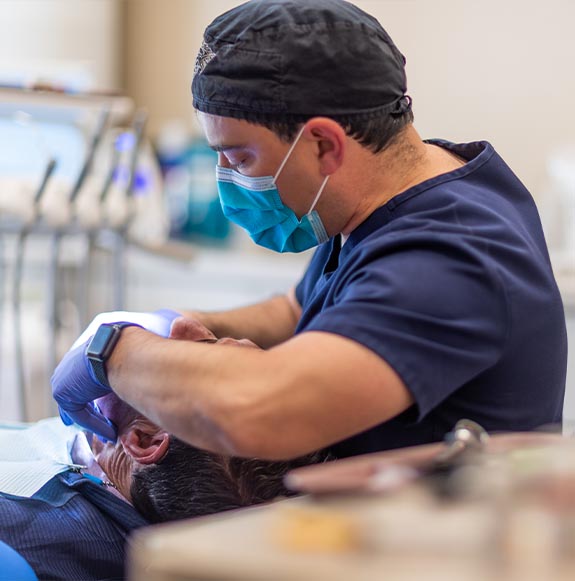
When a patient comes to us complaining of chronic headaches or jaw pain, one of the first things we look at is their temporomandibular joints (TMJs) and the surrounding structures. Indeed, the jaw joints can play a big role in your oral function and quality of life. If you suspect you have TMJ disorder, visit our Glastonbury practice for a consultation. We offer minimally invasive TMJ treatment that is designed to get you out of pain and protect your smile’s health.
Why Choose Glastonbury Dental Associates for TMJ Treatment?
- Careful & Thorough Diagnostic Process
- Occlusal Splints Provide Effective Relief
- Honest, Experienced, and Caring Dentists
What Is TMJ Disorder?
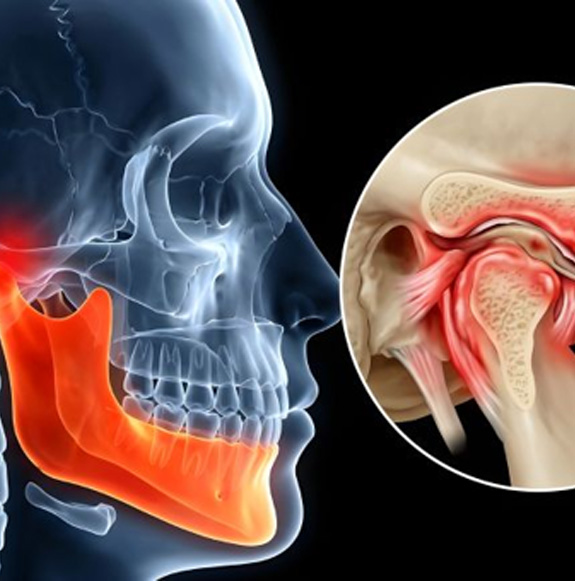
TMJ disorder (TMD), which is also known as TMJ dysfunction, occurs when the joints that control movement of the lower jaw become inflamed or suffer damage. The cause of the issue could be almost anything, including overuse, bite imbalances, arthritis, injuries, teeth grinding and clenching, or even muscle tension due to stress.
TMD can affect anyone, including those of varying ages, lifestyle choices, and health statuses.
Symptoms of TMJ Disorder

TMD is associated with a long list of symptoms. Some of the most common include:
- Jaw pain or tenderness, especially near the ears
- Clicking, popping, or grinding when opening the mouth or chewing
- Difficulty chewing or discomfort while eating
- Jaw stiffness or limited range of motion
- Locking of the jaw in an open or closed position
- Frequent headaches, facial pain, or earaches
- Ringing in the ears
- Neck soreness or a bite that suddenly feels off
- Pain in the shoulders or back
Types of TMJ Treatment
As a highly qualified TMJ dentist in Glastonbury, our team is equipped to diagnose and treat most TMJ issues. Before we can determine the best therapy for you, we will examine your bite, ask about your symptoms, and use imaging equipment as needed. Then, we can recommend your next steps. Certain lifestyle changes, such as eating a soft diet or managing stress, may help. We might also suggest the use of a custom occlusal splint.
Occlusal Splint
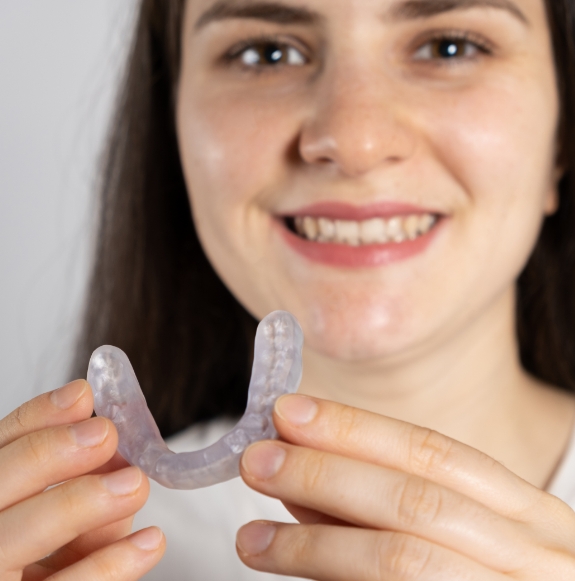
An occlusal splint is a small device that looks like a mouthguard. When you wear it at night, it can gently reposition the lower jaw in a way that eases pressure on your TMJs and reduces muscle tension. With proper use, an occlusal splint may provide long-term relief from TMD symptoms.