
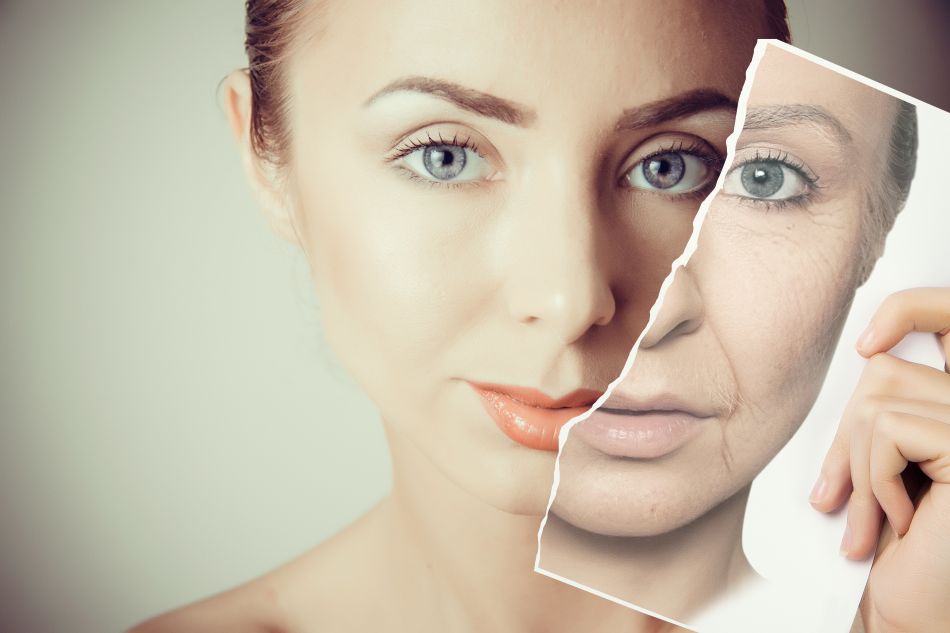
While you may love your gray hair and the wisdom that goes along with it, if your body ages faster than it should, it can be a completely different story. Maybe you try your best to stay looking and feel youthful by taking vitamins, getting exercise, and even using an SPF when you go outdoors. But what if your poor sleeping patterns were counteracting all those efforts? Here’s how sleep apnea can accelerate the aging process, and what you can do to slow the hands of time.
What is Sleep Apnea?
Sleep apnea is a disorder which affects 22 million Americans, causing their breathing to repeatedly stop and restart during sleep. Obstructive sleep apnea (OSA) is the most common type and occurs when the muscles in your throat become too relaxed, creating a temporary obstruction to your airway.
Known as apneas, these breathing interruptions can happen anywhere from dozens to hundreds of times throughout the night, often without you even realizing it. In fact, in many cases the first person to notice the signs of a sleep disorder are the patient’s sleep partners.
How Sleep Apnea Prematurely Ages You
Sleep apnea can adversely affect many serious medical conditions, including heart attack, hypertension, stroke, diabetes, and more. A recent study by the University of Missouri School of Medicine also found that untreated OSA even speeds up the biological aging process, known as epigenetic age acceleration. In addition to making you look and feel older than you are, this condition is also linked to mortality and chronic illness.
How Can I Protect Myself from Accelerated Aging with Sleep Apnea?
While the results from the University of Missouri study were alarming, the good news is that they also yielded some promising results. According to researchers, patients who treated their OSA for at least four hours each night were able to slow down the epigenetic aging process back to normal levels.
Although the subjects in the study used traditional CPAP therapy to treat their sleep apnea, many patients have found great success with other methods, such as oral appliance therapy. Available from your dentist, these devices are widely considered a more comfortable alternative to CPAP machines. They are custom fit to your individual mouth, so they are not only safe and effective, but barely noticeable while you’re wearing them. Best of all, they can help you get the sleep you need without loud, uncomfortable machinery that’s hard to operate and even harder to clean.
If you are suffering from the dangerous effects of OSA and are ready to start getting the rest your body needs to stay vibrant and healthy, speak to your dentist today about treatment with oral appliance therapy, and turn back the hands of time while you sleep!
About Our Practice
At Glastonbury Dental Associates, we want you to get the rest you need to live a long and healthy life. If you’re suffering from any of the dangerous side effects of sleep apnea, the good news is that CPAP may not be your only option. To learn more about oral appliance therapy, schedule a consultation with us today by visiting our website or calling 860-633-3671.